

Chronic pain after 30 can feel confusing.
You’re not old.
Yet your body may not feel the way you expected it to.
Maybe your back hurts after playing with your kids.
Maybe you’ve started skipping workouts.
Perhaps you avoid weekend hikes because you aren’t sure how your body will feel afterward.
Or maybe you’ve caught yourself saying:
“I’m too young to feel like this.”
If that sounds familiar, you’re not alone.
When Pain Starts Changing Your Life
Pain doesn’t always take something away all at once.
It can happen gradually.
You skip one workout.
You pass on a hike.
You let someone else carry the groceries.
You watch your kids play instead of joining them.
You stop doing something because you’re unsure whether your body can handle it.
Each decision may seem small.
Over time, however, those small compromises can add up.
Eventually, you may realize you’re organizing your life around what your body can tolerate.
That’s when pain becomes about more than pain.
Chronic Pain After 30 Isn’t Just About Getting Older
Your body changes as you age.
Recovery may take longer.
Strength and mobility require more attention.
Sleep and recovery become increasingly important.
But constant pain doesn’t have to become your definition of getting older.
Chronic pain after 30 can affect how you exercise, work, parent, travel, and participate in the activities you enjoy.
The goal isn’t to pretend your body hasn’t changed.
The goal is to understand what your body needs now.
Why Strength and Movement Matter
Your body is designed to adapt.
The right amount of movement and progressive strength can help you build greater physical capacity over time.
That doesn’t mean pushing through every painful movement.
It means finding the right starting point.
Then gradually building from there.
Depending on your situation, that may include:
- Improving mobility
- Building strength
- Developing better movement control
- Gradually increasing activity
- Improving confidence with movement
- Allowing appropriate recovery
The goal is to help your body become more prepared for the demands of everyday life.
What Pain May Be Costing You
Think beyond the pain itself.
What have you stopped doing?
Maybe you don’t play tag with your children anymore.
Maybe you’ve stopped training for races.
Maybe you avoid picking things up from the floor.
Maybe you hesitate before saying yes to an activity because you’re already thinking about how your body will feel afterward.
Those choices can quietly affect your confidence.
They can also change how you experience the people and activities that matter most.
That’s why addressing chronic pain after 30 isn’t simply about making a painful area feel better.
It’s about helping you participate in your life again.
Rebuilding Confidence in Your Body
One of the most important parts of recovery is confidence.
Confidence to exercise.
Confidence to pick up your child.
Confidence to go for a hike.
Confidence to return to a sport.
Confidence to trust your body again.
That confidence doesn’t appear overnight.
It develops through experience.
You move.
You learn.
You adapt.
You gradually discover what your body can handle.
Then you build from there.
Your Goal Doesn’t Have to Be Your 18-Year-Old Body
You don’t need to move exactly the way you did at 18.
You don’t need to chase every personal record.
You don’t need to prove anything.
The goal is to build a body that can support the life you want now.
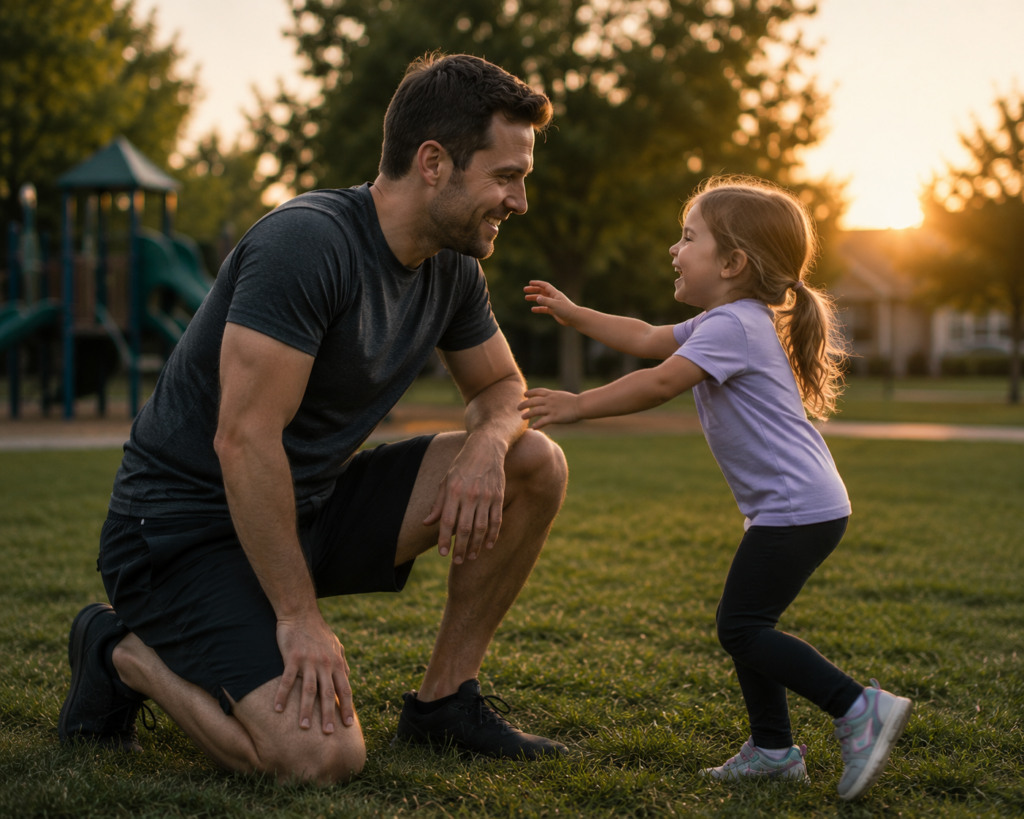
That might mean being able to play with your kids.
Lift your groceries.
Go on vacation.
Exercise consistently.
Take a hike.
Play your favorite sport.
Or simply get through your day without constantly thinking about your pain.
Those things matter.
A Simple Movement Reset
Mindset
Getting older is inevitable.
Constantly shrinking your life around pain doesn’t have to be.
Movement
Think about one activity you’ve quietly stopped doing because your body doesn’t feel the same.
What is one small step you could take toward doing it again?
Start there.
Recovery
Pay attention to the compromises you’ve started making.
Sometimes those changes tell you more about the impact of pain than the pain itself.
When It’s Time to Ask for Help
If pain has been affecting the activities you enjoy, you don’t have to simply accept it as part of getting older.
Consider getting guidance if you’re consistently avoiding activities, changing how you move because of pain, or struggling to return to exercise.
The right approach depends on what’s contributing to your symptoms and what your body can currently tolerate.
A personalized evaluation can help identify where to start.
One Last Thought
The goal isn’t to move like you did at 18.
The goal is to keep doing the things that make your life meaningful.
Your body changes.
Your goals can change.
Your approach to movement may need to change too.
But chronic pain after 30 doesn’t have to mean giving up the activities you love.
Sometimes your body isn’t asking you to stop.
It’s asking you to pay attention, understand what it needs, and build from there.
You don’t have to be as young as you once were to feel strong, capable, and confident in your body.