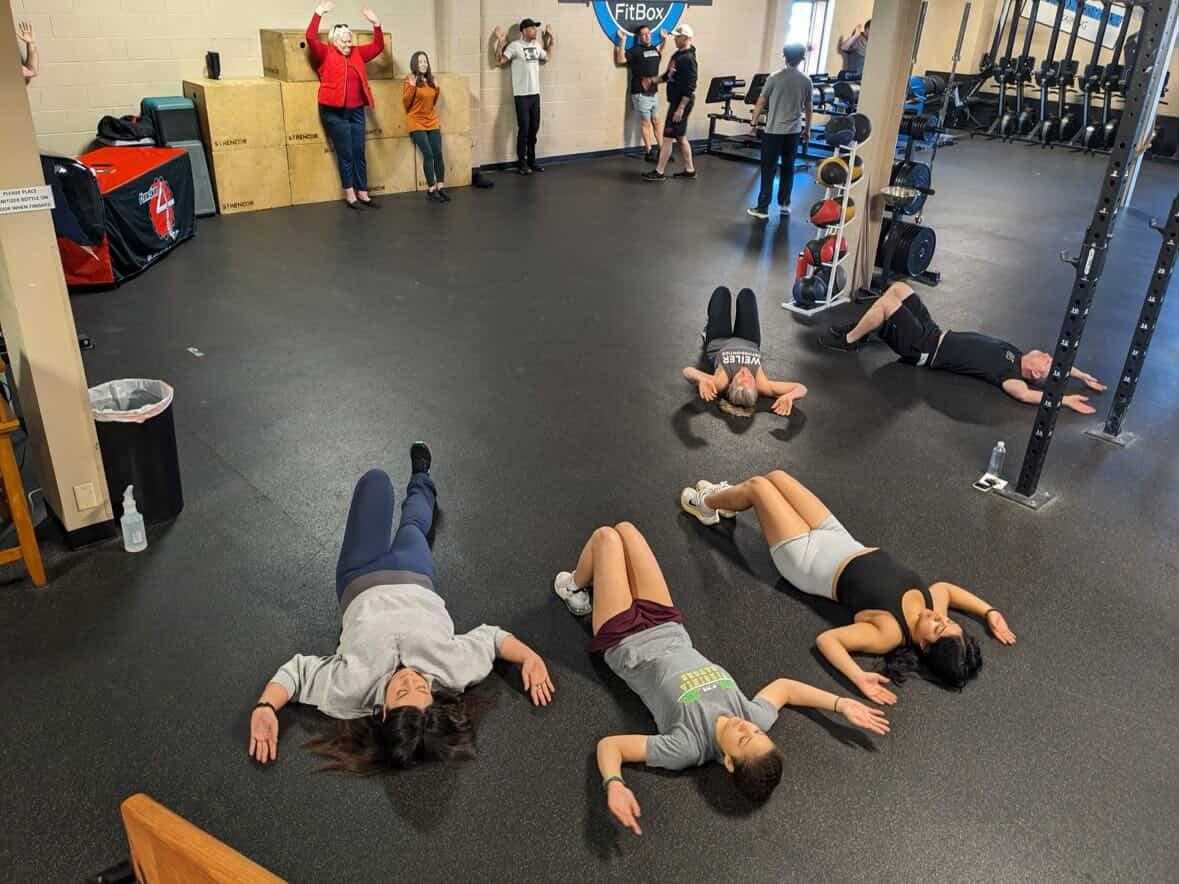


If you’re trying to exercise with back pain, it’s easy to think the safest option is to stop working out altogether. However, avoiding movement for too long can often make stiffness, weakness, and discomfort worse.
In many cases, the solution isn’t to stop exercising. It’s to train smarter.
Should You Exercise With Back Pain?
For many people, staying active is an important part of recovery. The key is choosing movements that match your current ability instead of pushing through pain or avoiding activity altogether.
A few smart modifications can help you stay consistent while reducing unnecessary stress on your back.
1. Reduce the Weight
Your spine doesn’t need a personal record while it’s recovering.
Lowering the weight allows you to keep moving, maintain strength, and improve confidence without placing more demand on sensitive tissues than they can currently tolerate.
2. Shorten Your Range of Motion
You don’t always have to perform every exercise through a full range of motion.
If pain increases at the bottom of a squat or during a deep deadlift, work within a comfortable range and gradually increase your motion as your body adapts.
Pain-free repetitions are often more valuable than forcing depth.
3. Use More Full-Body Movements
Exercises that involve your hips, legs, and core working together help distribute force throughout your body instead of placing excessive stress on one area.
Improving overall movement quality often builds greater stability and confidence.
4. Don’t Stop Moving
Although rest can be helpful during a severe flare-up, prolonged sitting or avoiding movement completely may increase stiffness and slow your return to activity.
Regular, appropriate movement helps maintain mobility, improve circulation, and keep your body prepared for daily life.
Motion Is Medicine When It’s the Right Motion
One of the biggest mistakes people make is assuming pain means they should stop moving forever.
Instead, listen to your body, adjust your workouts when needed, and focus on steady progress rather than perfection.
Training smarter today often leads to greater strength and resilience tomorrow.
When Back Pain Keeps Coming Back
If your back hurts every time you exercise or repeatedly flares up after workouts, it may be a sign that something in your movement, strength, or training strategy needs attention.
Rather than guessing, a movement assessment can help identify the factors contributing to your symptoms and provide a personalized plan to help you stay active.
At Function 4 Life, we help active adults return to the workouts they enjoy through individualized movement assessments, strength-based rehabilitation, and education that builds confidence.
If you’d like to learn more, join our upcoming Low Back Pain Workshop or schedule an evaluation to start moving with confidence again.