

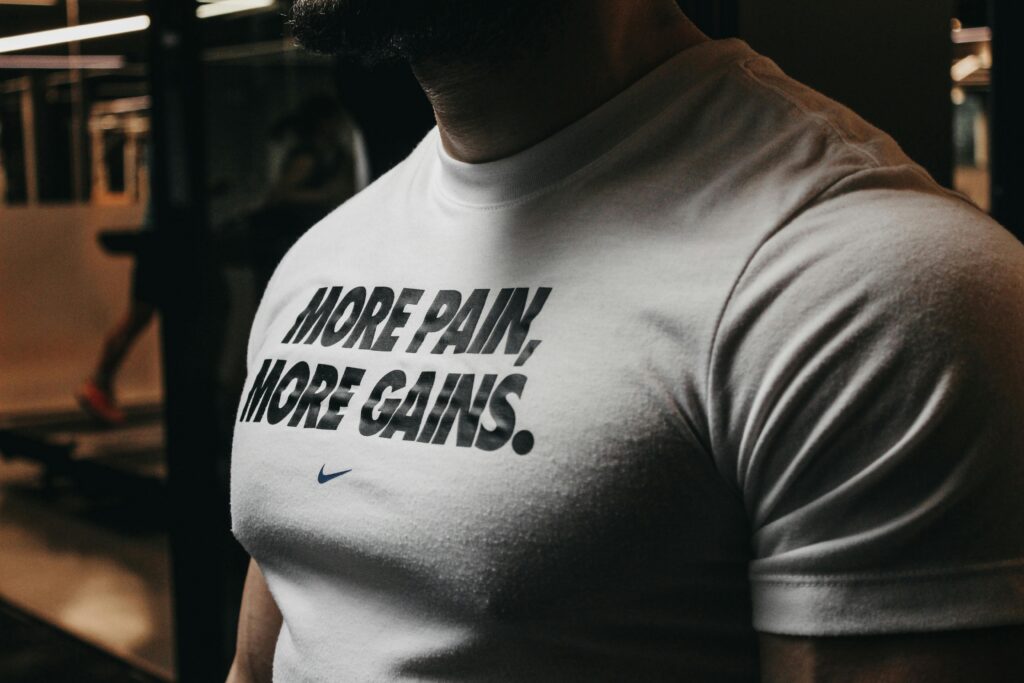
If you’ve ever wondered why stretching isn’t enough to relieve pain or muscle tightness, you’re not alone. Many people stretch more, exercise harder, or push through discomfort, only to find that the same aches keep coming back.
The truth is that pain and stiffness aren’t always caused by muscles that are too short. In many cases, your body is responding to poor movement patterns, instability, or a nervous system that’s trying to protect you.
Understanding why this happens can help you move more comfortably and recover more effectively.
Why Your Body Feels Tight
When people experience pain, tightness, or stiffness, the natural reaction is often to do more.
That might mean:
- Stretching longer
- Working out harder
- Repeating the same exercises
- Pushing through discomfort
While these strategies can sometimes help, they don’t always address the real reason your body feels tight.
Your muscles often tighten as a protective response when your brain senses that a movement feels unstable or inefficient.
How Your Nervous System Influences Movement
Your nervous system constantly evaluates how safe movement feels.
It gathers information from your muscles, joints, and surrounding tissues to decide how your body should respond.
When movement feels controlled and stable, your body can move more freely.
When movement feels unpredictable or overloaded, your nervous system may respond by increasing muscle tension to create additional protection.
This is one reason why stretching alone doesn’t always create lasting relief.
Why More Effort Isn’t Always Better
If certain muscles are already doing too much work, asking them to work even harder can create additional stress.
Over time, this may contribute to:
- Ongoing muscle tightness
- Poor movement patterns
- Increased compensation
- Slower recovery
- Persistent discomfort
Instead of improving movement, adding more intensity may reinforce the very patterns your body is trying to protect against.
What Your Body Often Needs Instead
Rather than simply working harder, your body may respond better to improving movement quality.
This often includes:
- Slower, more controlled movement
- Better body awareness
- Progressive strength
- Improved stability
- Consistent movement practice
These strategies help your brain develop confidence in movement, allowing muscles to relax and work more efficiently.
Move Smarter Before Moving Harder
One of the simplest ways to improve movement is by slowing down.
Whether you’re exercising, lifting, or completing daily activities, moving with greater control allows your body to build better coordination and stability.
Small changes in movement quality can often produce meaningful improvements in comfort and confidence over time.
When to Seek Professional Guidance
If muscle tightness, pain, or stiffness continues despite stretching and exercise, it may be helpful to look beyond flexibility alone.
A physical therapist can evaluate how you move, identify areas of poor stability or compensation, and create a personalized plan that supports long-term recovery.
Experience the Difference
Real progress doesn’t come from forcing your body to move.
It comes from helping your body feel safe, supported, and strong enough to move efficiently.
When movement improves, pain often becomes easier to manage, muscles can relax naturally, and everyday activities become more comfortable.


