
If you’re searching for shin splints treatment, you’ve probably tried resting, stretching, or taking time away from running. While those strategies may temporarily reduce discomfort, they often don’t address the reason your shin pain developed in the first place.
The truth is that shin splints are rarely “just a running problem.” In many cases, they result from the way your body moves, absorbs force, and adapts to training. Understanding the root cause can help you recover more effectively and reduce the risk of the pain returning.
What Are Shin Splints?
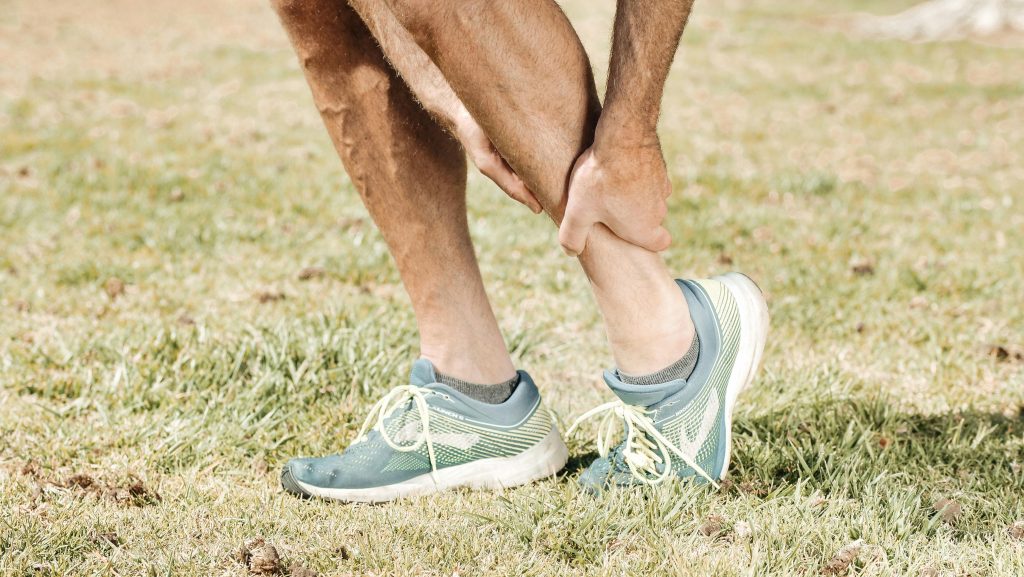
Shin splints, also known as medial tibial stress syndrome, cause pain along the inside of the shinbone. They’re one of the most common overuse injuries among runners, hikers, military recruits, and athletes who increase their activity too quickly.
Although the pain is felt in your shin, the underlying issue often involves the entire movement system.
What Causes Shin Splints?
Many factors can contribute to shin splints, including:
- Rapid increases in training volume or intensity
- Poor running mechanics
- Weakness in the hips, calves, or foot muscles
- Limited ankle mobility
- Reduced load tolerance
- Inadequate recovery between workouts
Because these factors vary from person to person, successful shin splints treatment starts with identifying the cause rather than simply treating the symptoms.
Why Rest Alone Isn’t Enough
Taking time off can help reduce pain.
However, if you return to running without addressing the underlying movement problem, the discomfort often comes back.
Instead of relying on rest alone, recovery should focus on improving your body’s ability to tolerate running and other activities.
How Gait Analysis Can Help
Every runner moves differently.
A comprehensive gait analysis can identify movement patterns that increase stress on the lower legs.
By evaluating how you walk and run, it’s possible to identify areas where improving technique, strength, or mobility may reduce unnecessary strain on your shins.
Building Stronger, More Resilient Legs
Recovery isn’t just about reducing pain. It’s about preparing your body for the demands of running.
A personalized rehabilitation plan may include:
- Targeted strength training
- Mobility exercises
- Running gait analysis
- Manual therapy when appropriate
- Progressive return-to-running programs
These strategies help improve movement efficiency while reducing the risk of future injuries.
Return to Running With Confidence
Whether your goal is running a 5K, training for a marathon, hiking with friends, or simply enjoying pain-free walks, effective shin splints treatment focuses on long-term recovery rather than short-term relief.
With the right combination of movement assessment, strength, and progressive training, you can return to the activities you enjoy with greater confidence.
When Should You Seek Professional Help?
If your shin pain continues despite rest, keeps returning every time you run, or prevents you from training consistently, it may be time for a professional evaluation.
At Function 4 Life, we take a whole-body approach by looking beyond the painful area. Through movement assessments, gait analysis, and personalized rehabilitation, we help identify what’s contributing to your symptoms so you can recover with confidence.