
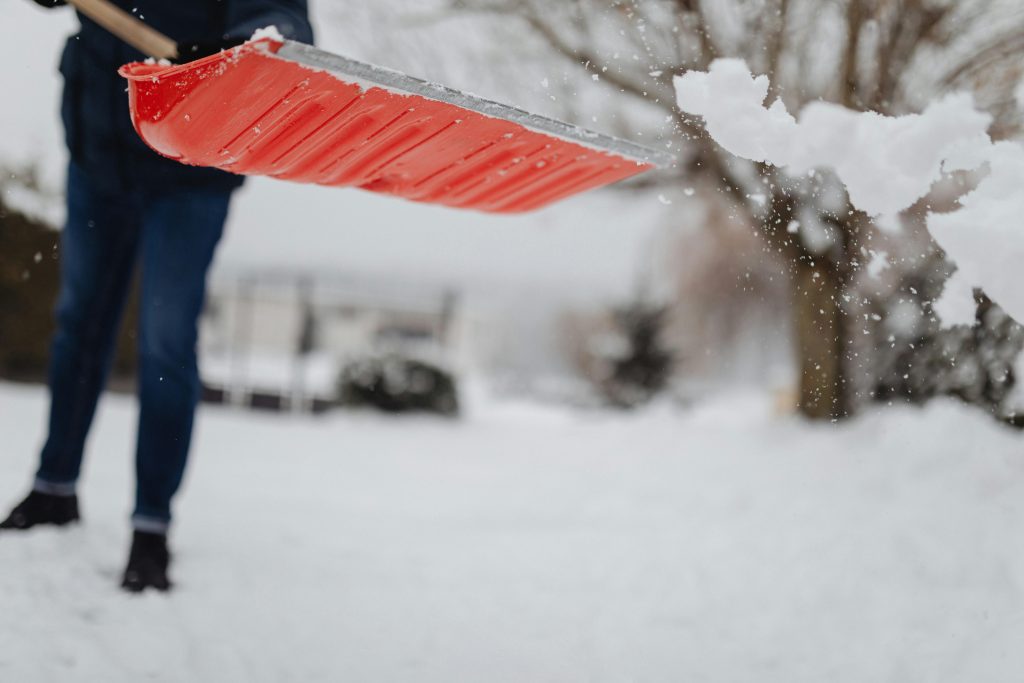
Snow shoveling safety is about more than clearing your driveway. Every winter, people experience back pain, shoulder injuries, and falls because they underestimate how physically demanding shoveling can be.
The good news is that a few simple changes can lower your risk of injury and make snow removal much safer.
Why Snow Shoveling Causes So Many Injuries
Shoveling snow combines lifting, bending, twisting, and repetitive movements, often in freezing temperatures.
Cold muscles and stiff joints are less prepared for sudden physical activity. As a result, your body has to work harder, increasing the risk of strains and other injuries.
Understanding proper snow shoveling safety can help you stay active while protecting your back and joints.
1. Warm Up Before You Shovel
Many people walk outside and immediately start lifting heavy snow.
Instead, spend three to five minutes preparing your body.
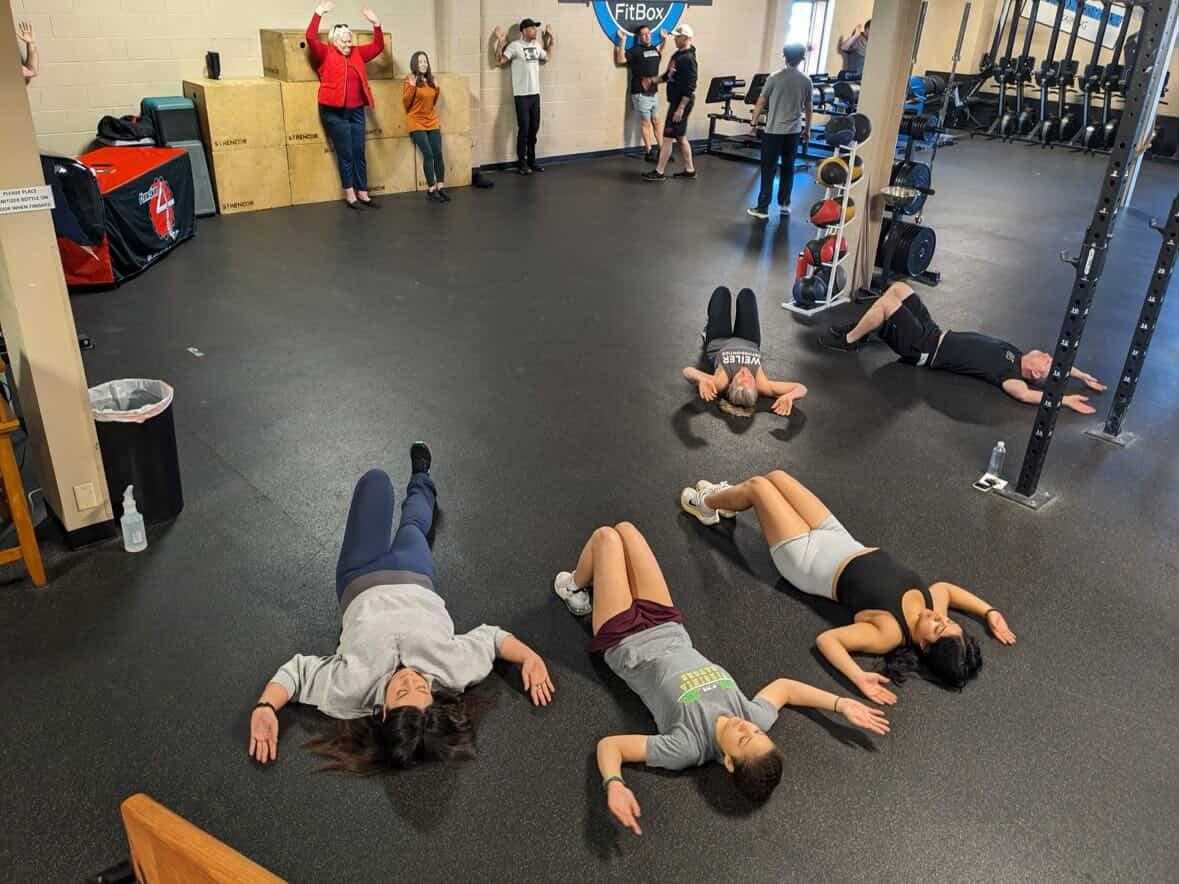
A simple warm-up can include:
- Bodyweight squats
- Arm circles
- Gentle trunk rotations
- Marching in place
Warming up increases circulation and prepares your muscles for the work ahead.
2. Avoid Twisting While Lifting Snow
Twisting while lifting a heavy shovel places additional stress on your back.
Instead:
- Turn your entire body toward the direction you’re throwing the snow.
- Move your feet instead of twisting your torso.
- Keep the shovel close to your body.
- Take smaller loads whenever possible.
These small adjustments reduce unnecessary strain on your back, shoulders, and hips.
3. Watch for Ice and Slippery Surfaces
Not every winter injury happens while lifting snow.
In fact, many occur after slipping on icy sidewalks or driveways.
Falls commonly lead to:
- Wrist injuries
- Shoulder injuries
- Hip injuries
- Knee injuries
Therefore, wear shoes with good traction, take smaller steps, and slow down when conditions are icy.
Don’t Ignore Pain After Shoveling
Some soreness can be expected after physical activity.
However, pain that lingers, worsens, or limits your ability to move shouldn’t be ignored.
Early evaluation can often prevent a minor issue from becoming a long-term problem.
Stay Safe All Winter
Snow shoveling doesn’t have to lead to injury.
By warming up, using proper lifting mechanics, and paying attention to slippery conditions, you can reduce your risk and keep doing the activities you enjoy throughout the winter.
If you’re experiencing back pain, shoulder pain, or stiffness after shoveling snow, our team at Function 4 Life can evaluate your movement and help you recover safely so you’re ready for whatever winter brings next.